By Dr. Justin D’Arienzo, Psy.D., MSCP, ABPP
Board-Certified Clinical Psychologist
Last Updated: October 2026
Finding someone attractive does not automatically make you a cheater. You’re married, not an unconscious robot. It’s normal to notice attractive people. However, there’s a meaningful difference between experiencing attraction, wanting an affair, and deciding to betray your partner’s trust.
As a psychologist who works with couples, I encourage people to pay attention to their choices rather than assuming every thought predicts future behavior. Recent psychological research supports this distinction.
What Does Research Say About the Traits of a Cheater?
A 2026 study published in Frontiers in Psychology examined 200 adults in Ecuador. The researchers separated the desire to cheat from actual infidelity. That’s an important distinction.
People who scored higher in openness to experience and lower in agreeableness reported more desire for sexual infidelity. However, broad personality traits did not significantly improve the explanation of actual cheating behavior after the researchers accounted for demographics and relationship history.
A history of infidelity was particularly important. In other words, what someone has done in the past may tell us more than simply knowing that person is curious, outgoing, or difficult to get along with.
Another 2026 study, published in Psychological Reports, examined 303 adults in committed relationships in Romania. Greater openness to casual sexual relationships, higher psychopathy scores, and lower relationship satisfaction were associated with stronger feelings for someone outside the relationship.
However, this study measured outside infatuation, not actual affairs. Having feelings for someone else and acting on those feelings are not the same thing.
Does Thinking About Cheating Mean You Will Cheat?
No. A passing thought is not the same as a decision. You can find someone attractive and still remain completely committed to your marriage.
However, there’s a difference between noticing an attractive person and deliberately developing a relationship outside your marriage. Private messages, concealed meetings, sexual conversations, and repeated dishonesty can cross boundaries even before physical infidelity occurs.
My advice is simple: protect your marriage and your spouse’s sense of emotional safety. Don’t put yourself in situations where secrecy and temptation become more important than your commitment.
Can You Predict Who Will Cheat?
Neither study provides a crystal ball. Both relied on self-reported information collected at one point in time. Therefore, neither can prove that a particular personality trait causes infidelity or predict whether an individual will cheat.
Instead of searching for a “cheater personality,” I encourage couples to examine behavior. Is your partner honest? Do they respect boundaries? Are they willing to address relationship problems directly?
Relationship dissatisfaction deserves attention. However, problems within a marriage do not excuse cheating or make the betrayed partner responsible for someone else’s choices.
How Can Couples Protect Their Marriage?
Couples should discuss their relationship boundaries before a problem develops. Talk about friendships with former partners, private messaging, flirting, and what each of you considers a betrayal.
Also, make time to discuss the health of your relationship. Are you spending enough time together? Do you feel appreciated? Are unresolved disagreements creating distance?
These conversations can be uncomfortable, but avoiding them doesn’t make the problems disappear.
Strengthen Your Relationship With My Marriage Tune-Up Course
If you and your partner need help improving communication, understanding emotional needs, or managing conflict, consider my online Marriage and Relationship Tune-Up Course.
This self-paced, approximately four-hour program draws on concepts I use in my work with couples. You can complete it individually or together. It covers personality differences, communication, conflict resolution, emotional needs, and managing money as a couple.
Learn More From My Relationship Books
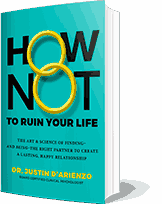
I’ve also written books to help people better understand relationships and improve their choices. In How Not to Ruin Your Life: The Art & Science of Finding and Being the Right Partner to Create a Lasting, Happy Relationship, I explore the science of choosing a compatible partner and becoming a better partner yourself.
For couples who want practical exercises, my Love Fest 30-Day Relationship Challenge offers daily activities designed to encourage connection and strengthen relationship skills.
You can explore these titles and my other publications on the D’Arienzo Psychology books page.
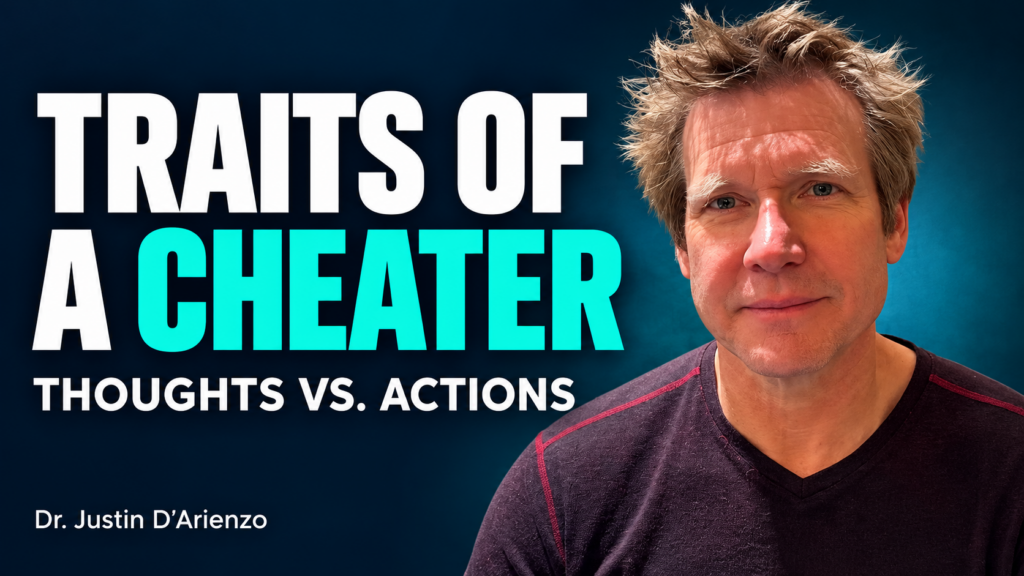
Watch My Video: Traits of a Cheater
In this short video, I discuss personality traits associated with infidelity and explain why thoughts and actions must be considered separately.
Watch the video directly on YouTube
Research References
Rodas, J. A., Abad, M., Barandica, A., Leon-Rojas, J. E., Valdevila Figueira, J. A., & Oleas, D. (2026). Infidelity conduct and desire: The differentiated contribution of broad personality traits. Frontiers in Psychology, 17, Article 1939819.
https://doi.org/10.3389/fpsyg.2026.1939819
Huţanu, T.-E., & Holman, A. C. (2026). Personality, relationship quality, and infidelity: Extradyadic infatuation as predicted by Dark and Light Triad traits, sociosexuality and relationship satisfaction. Psychological Reports. Advance online publication.
https://doi.org/10.1177/00332941261473823