Last updated September 2026.
If you are doing couples counseling with us, the Gottman 19 Areas Checklist can be a useful way to identify where your relationship is strong and where it may need work.
I have used Gottman informed relationship strategies for many years in my work with couples. At D’Arienzo Psychology, our couples providers also incorporate principles from the Gottman Method along with other evidence-based and solution-focused approaches depending on the couple, the presenting problem, and the provider’s clinical style.
The point is not to make every couple fit one model. The point is to identify the patterns that are keeping the relationship stuck and then use practical strategies that help the couple move forward.
Download the Gottman 19 Areas Checklist
If you are currently involved in couples counseling or marriage therapy at D’Arienzo Psychology, your provider may ask you to complete the Gottman 19 Areas Checklist as part of the assessment process.
Download the Gottman 19 Areas Checklist PDF
The checklist asks couples to look at important parts of the relationship, including emotional connection, communication, stress, conflict, intimacy, finances, family issues, parenting, friendship, shared meaning, and other areas that can affect relationship satisfaction.
How We Use Gottman-Informed Couples Counseling
Most couples do not come to counseling because of one isolated argument. Usually there is a pattern underneath the argument.
One partner pursues while the other withdraws. Someone becomes defensive. Old resentments are brought into every disagreement. Affection decreases. Sex becomes less frequent. Trust is damaged. Work or parenting stress spills into the relationship.
Gottman informed couples therapy work helps us slow those patterns down and look at what is actually happening between the partners.
Depending on the couple, treatment may focus on:
- Improving friendship and emotional connection
- Reducing criticism, defensiveness, contempt, and withdrawal
- Learning to manage conflict more effectively
- Improving communication
- Increasing affection and intimacy
- Repairing trust after infidelity
- Understanding recurring relationship problems
- Managing stress as a couple
- Improving parenting teamwork
- Clarifying expectations
- Rebuilding friendship
- Creating shared goals and meaning
Couples Counseling Is More Than Learning to Communicate
Couples often tell me, “We just need to communicate better.”
Sometimes that is true. But poor communication is often a symptom rather than the whole problem.
A couple may know how to communicate perfectly well when they feel emotionally safe. The problem may be resentment, betrayal, emotional withdrawal, substance use, financial conflict, parenting disagreements, loss of intimacy, or years of feeling ignored or misunderstood.
Good couples therapy tries to understand what is underneath the communication problem instead of simply teaching the couple better words to use during an argument.
Infidelity and Trust Repair
Infidelity can destabilize nearly every part of a relationship.
The betrayed partner may become preoccupied with what happened, question previous memories, struggle to sleep, repeatedly seek information, or wonder whether anything in the relationship was real. The partner who was unfaithful may feel shame, defensiveness, frustration, fear, or uncertainty about what to do next.
In those situations, the first goal is often stabilization. Later work may focus on accountability, transparency, understanding what happened, rebuilding emotional safety, and deciding whether the relationship can be repaired.
Learn More About Infidelity and Betrayal Counseling
What Happens When Couples Counseling Begins?
My own approach has traditionally included getting to know both partners and understanding the relationship from more than one perspective.
Depending on the provider and the circumstances, the assessment process may include time with the couple together, individual conversations with each partner, relationship questionnaires, and discussion of the couple’s history, strengths, major conflicts, goals, and concerns.
The goal is to understand the relationship before trying to fix it.
Some couples come to therapy hoping to repair the relationship. Others are unsure whether they want to remain together. Still others want help separating without destroying one another or their children in the process.
Couples therapy should reflect the actual needs and goals of the people sitting in the room.
Meet Our Gottman-Informed Couples Counseling Psychologists and Therapist
D’Arienzo Psychology has several psychologists and counselors who work with couples. Our couples providers incorporate Gottman-informed relationship strategies along with other therapeutic approaches appropriate to the couple.
No one provider is the right fit for every relationship, so we have included links to each provider below.
Dr. Justin D’Arienzo, Psy.D., ABPP, Psychologist and Relationship Expert
I am a board certified clinical psychologist, forensic psychologist, relationship expert, author, and founder of D’Arienzo Psychology.
My couples work has included marriage counseling, premarital preparation, infidelity, emotional withdrawal, communication problems, intimacy, high-conflict relationships, divorce, parenting conflict, marriage retreats and workshops, and relationship recovery.
I use Gottman informed approaches together with solution focused strategies and more than two decades of experience working with both healthy and highly distressed relationships.
I also write and speak publicly about relationships through my books, online courses, media appearances, social media, and The Dr. D’Arienzo Show.
Dr. Erica Janson, Psy.D., Couples, Family and Clinical Psychologist
Dr. Erica Janson is a clinical and forensic psychologist who provides individual, couples, and family psychotherapy.
Her work is particularly useful when relationship issues overlap with parenting, family dynamics, anxiety, depression, trauma, behavioral concerns, or problems affecting children and adolescents.
She incorporates Gottman-informed relationship work along with cognitive behavioral, solution-focused, strength-based, and family-oriented approaches.
Dr. Amy Hartley, Ph.D., Couples, Trauma and Family Relationships
Dr. Amy Hartley is a clinical and forensic psychologist who provides individual, couples, and family therapy.
Her clinical work includes anxiety, depression, trauma, PTSD, military and sexual trauma, family relationships, and relationship concerns.
Her background can be especially valuable when trauma, stress, military experiences, psychological symptoms, or complicated family dynamics are affecting the couple.
She incorporates Gottman-informed strategies into couples work along with other evidence-based interventions.
Dr. Michael Nackashi, Psy.D., Couples Counseling for Young Adults
Dr. Michael Nackashi is a clinical, forensic, and sports psychologist who works extensively with teenagers, college students, young adults, athletes, and young professionals.
He also provides couples counseling, particularly for couples in their twenties, millennials, college-age adults, and young professionals.
Relationship concerns may include communication, conflict, intimacy, life transitions, career stress, anxiety, ADHD, differing expectations, and the pressures associated with early adulthood.
Dr. Nackashi incorporates Gottman-informed relationship strategies along with Acceptance and Commitment Therapy, interpersonal, relational, and other evidence-based approaches.
Mario Decunto, LMHC, Couples, Families and Spanish-Language Counseling
Mario Decunto is a Licensed Mental Health Counselor who works with couples, adults, parents, children, and families.
Mario provides counseling in both English and Spanish, which can be particularly helpful for bilingual couples or couples who prefer discussing emotional and relationship issues in Spanish.
His relationship work may address communication, family conflict, parenting disagreements, life transitions, relationship stress, and other issues affecting couples and families.
Mario incorporates Gottman-informed strategies within his collaborative and strength-based counseling approach.
Which Couples Psychologist or Counselor Should We See?
There is no single answer because couples come to us with very different problems.
A couple dealing primarily with infidelity may need something different from a young couple struggling with communication. A military or first responder couple coping with trauma may have different needs from a bilingual family dealing with parenting conflict. A couple considering divorce may need a different approach from an engaged couple trying to build a strong foundation before marriage.
When you contact us, tell us a little about what is happening and what you hope to accomplish. Our staff can help you identify an appropriate provider based on the issue, availability, and fit.
About My Relationship Psychology Work
Relationships have been a major part of my work as a psychologist for more than two decades.
I have worked with couples at nearly every stage of a relationship: dating, premarital preparation, early marriage, parenting, intimacy problems, infidelity, emotional withdrawal, high conflict, separation, and divorce.
That clinical work also informs my relationship books, online premarital programs, media interviews, social-media content, and public education.
Learn More About My Relationship Psychology Work
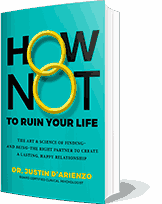
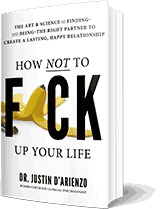
Explore Dr. D’Arienzo’s Relationship Books
Gottman Method and Relationship Education
The Gottman Method is one framework our providers may draw from, but couples therapy is not simply about completing worksheets.
The questionnaires and exercises give us information. The clinical work comes from understanding how those patterns operate in the actual relationship and helping the partners respond differently.
The ultimate goals may include greater friendship, respect, emotional safety, intimacy, trust, cooperation, and the ability to handle disagreement without damaging the relationship.
Already Married but Not Ready for Therapy?
Some couples are not in crisis but still want to work intentionally on their relationship.
My Online Marriage & Relationship Tune-Up Course provides structured relationship education that couples can complete privately at home.
It addresses communication, emotional needs, personality, conflict, intimacy, finances, and other areas that commonly affect long-term relationships.
Frequently Asked Questions About Gottman Couples Counseling
What is the Gottman 19 Areas Checklist?
The Gottman 19 Areas Checklist is a relationship questionnaire designed to help couples identify areas that are going well and areas that may need improvement. It can provide useful information for discussion during couples counseling.
Does every D’Arienzo Psychology couples provider use the Gottman Method?
Our couples providers incorporate Gottman-informed concepts and strategies into their relationship work. The specific treatment approach varies based on the provider, the couple’s concerns, and what is clinically appropriate.
Are your providers Gottman Certified?
Using Gottman-informed strategies is different from holding a formal Gottman Institute certification. We do not represent every provider as Gottman Certified. Our providers draw from Gottman relationship research and other evidence-based or clinically established couples-counseling approaches. Dr. John and Julie Gottman who developed the Gottman approach are psychologists. Their approach was taught to our psychologists in psychology graduate school; therefore, a certification is not needed or required; however, Dr. D’Arienzo has completed level 1 certification training.
Can couples counseling help after infidelity?
Yes. Couples frequently seek counseling after infidelity or another major breach of trust. Early work often focuses on stabilization, understanding what happened, accountability, transparency, emotional safety, and determining whether both partners want to rebuild the relationship.
Do you offer couples counseling in Spanish?
Yes. Mario Decunto, LMHC, provides counseling in both English and Spanish and works with couples and families.
Do you work with unmarried couples?
Yes. Couples counseling is available to married and unmarried couples. The same relationship patterns involving trust, communication, intimacy, expectations, and conflict can occur regardless of marital status.
What if we are considering divorce?
Some couples come to counseling knowing they want to preserve the relationship. Others are uncertain. Couples counseling can help clarify problems, explore whether meaningful repair is possible, and, when appropriate, help couples make thoughtful decisions about separation or divorce.
Request Couples Counseling in Jacksonville
If your relationship is struggling with communication, conflict, infidelity, trust, emotional distance, intimacy, parenting, addiction, or uncertainty about the future, contact us and tell us what is going on.
We can help match you with one of our couples counseling providers.
D’Arienzo Psychology
6058 San Jose Boulevard
Jacksonville, Florida 32217
904-379-8094
The Gottman Method and Gottman 19 Areas Checklist are associated with Drs. John and Julie Gottman and The Gottman Institute. D’Arienzo Psychology uses Gottman-informed relationship strategies along with other therapeutic approaches. This page does not imply that every provider listed is formally certified by The Gottman Institute.